
Making a Difference



Afghanistan Customs Training That Keeps Humanitarian Aid Moving
Afghan border management is a practical part of humanitarian relief. When food, medicines, shelter materials and other essential supplies enter a landlocked country, customs procedures can determine whether assistance reaches communities promptly or remains delayed at a crossing. Training customs officials helps create a system that is orderly, transparent and responsive to urgent needs.
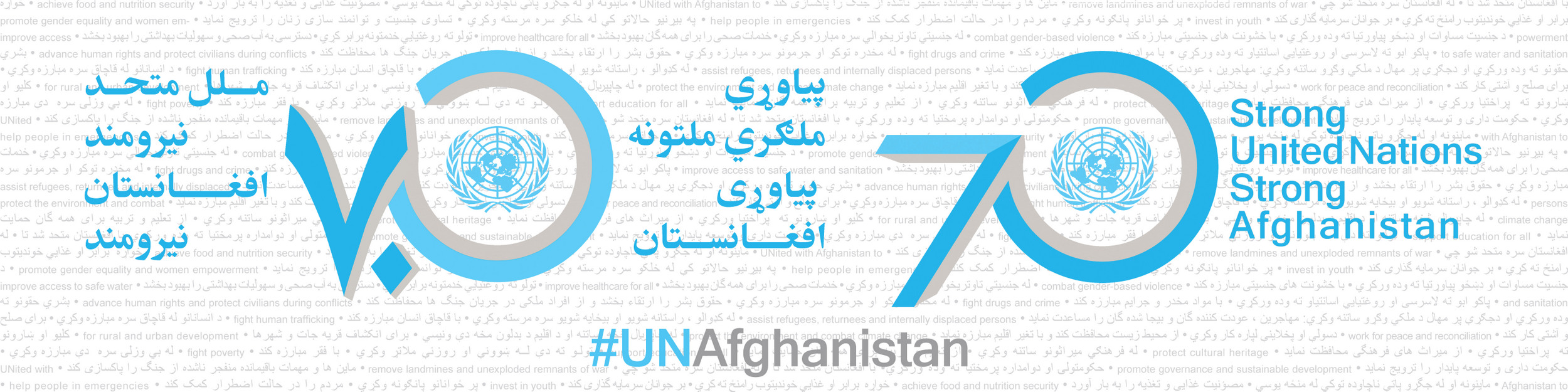
This work sits within the wider United Nations partnership with Afghanistan and its communities. The archived UN70 “Strong UN. Strong Afghanistan.” campaign highlighted Afghan people, institutions and everyday contributions to the country’s future. In that setting, support for customs officials reflects a broader principle: capable public services can help humanitarian organisations work more safely and efficiently.
Why Border Management Matters For Relief Operations
Afghanistan depends on regional trade routes for many of the goods used in humanitarian programmes. Supplies may travel through neighbouring countries before reaching border posts, airports, warehouses and distribution points. Each stage creates a need for clear documentation, risk assessment and cooperation between customs, transport companies, aid agencies and other authorities.
A consignment of therapeutic food, for example, may be urgently required in a provincial health facility. If its paperwork is incomplete or officials cannot quickly distinguish humanitarian cargo from commercial imports, the shipment may be held while questions are resolved. A well-trained customs service can verify the information, apply the correct procedure and release legitimate relief goods without weakening border security.
Efficient processing also protects public confidence. Communities need to know that assistance is being handled fairly and that supplies are not diverted through informal payments or unclear decisions. For international organisations, predictable border controls make it easier to plan transport, budget for logistics and maintain a reliable presence in areas where needs can change rapidly.
Australian readers may recognise the same balance in a different setting. At the Port of Melbourne or Sydney Airport, border agencies manage high volumes while checking safety, biosecurity and legal compliance. Afghanistan’s operating environment is different, yet the underlying lesson is familiar: fast service depends on good systems, trained staff and consistent information.
What Customs Training Can Cover
Training for customs officials involved in humanitarian flow generally combines technical knowledge with practical judgement. Officials need to understand import declarations, cargo manifests, invoices, exemption procedures, inspection powers and the difference between relief consignments and ordinary commercial shipments. They also need to know how national rules interact with international humanitarian principles.
A strong programme can use realistic case studies. Trainees might work through a shipment containing medicines with different expiry dates, a mixed consignment of commercial and donated goods, or emergency equipment arriving with incomplete documents. These exercises help officials identify which problems require clarification and which can be resolved through established procedures rather than prolonged detention.
Integrity and professional conduct are equally important. Training can explain how to document decisions, manage conflicts of interest, report suspected misconduct and treat all parties consistently. Clear records allow supervisors and partner organisations to review what happened at a border crossing. They also reduce the space for arbitrary charges, favouritism or informal arrangements.
Communication skills matter in busy border environments. Customs officers may deal with local drivers, international agencies, freight forwarders and officials from neighbouring states. Plain language, respectful conduct and access to interpreters can prevent avoidable misunderstandings. For Australian logistics professionals accustomed to electronic declarations and standard operating procedures, this highlights how basic clarity can be as valuable as sophisticated technology.
Keeping Humanitarian Cargo Moving Safely
Humanitarian flow is not the same as unrestricted movement. Relief items still need to be checked for safety, correct labelling and compliance with national requirements. A sensible system uses risk-based controls, directing attention towards consignments that present genuine concerns while allowing routine, well-documented cargo to proceed with fewer delays.
Coordination is central to this approach. Customs officials may need timely information from UN agencies, non-government organisations, transport providers and government departments. Before a shipment arrives, partners can share documentation, identify urgent items and clarify who is responsible for collection. At the crossing, a single point of contact can help resolve questions before they become bottlenecks.
Digital tools may support this process, but technology is not a substitute for governance. Electronic records, cargo tracking and advance notifications can improve visibility where connectivity and equipment are reliable. Where systems are limited, standard paper forms, radio communication and well-maintained registers may still provide an effective foundation. Training should match actual conditions rather than assume every post has the same infrastructure.
Humanitarian exemptions also require careful handling. An exemption should be clear enough for an officer to apply and narrow enough to prevent misuse. Written guidance can explain eligible organisations, approved goods, required supporting documents and escalation procedures. This gives customs officials confidence to act quickly while preserving accountability.
Australia’s own supply chains show why this detail matters. A shipment moving from Darwin towards remote communities in the Northern Territory may face long distances, limited storage and difficult weather even after clearance. In Afghanistan, distance, terrain and security risks can be more severe, making delays at the border especially costly. A small improvement in release procedures can protect vehicles, budgets, medicines and staff time.
Building Trust Across Afghan Border Crossings
Training is most effective when it is connected to the institutions that use it. A short workshop can introduce important concepts, yet lasting change usually depends on follow-up coaching, updated procedures and managers who reinforce professional standards. Officials need access to reference materials after the training room has been packed away.
Border management also involves several agencies. Customs may share responsibilities or information with immigration, police, quarantine, transport and trade authorities. Humanitarian organisations may have their own compliance requirements and internal supply systems. Cooperation becomes easier when roles are documented and agencies understand how to refer an issue without stopping an entire consignment.
Local knowledge should be part of the process. Afghan officials understand the language, geography and working realities of particular crossings. International partners can bring experience in customs modernisation, humanitarian logistics and coordination, but outside models should be adapted rather than copied. A procedure that works at a major international airport may be unsuitable for a remote land crossing with intermittent communications.
Trust grows through predictable behaviour. Drivers and aid workers should know what documents are needed, how long normal processing may take and where they can raise a concern. Officials should know that their decisions will be supported when they follow the rules. Transparent procedures can strengthen relationships between public institutions and communities that rely on essential assistance.
This institutional focus aligns with the UN70 campaign’s emphasis on a strong Afghanistan supported by Afghan people. The value of customs training is measured in everyday outcomes: fewer avoidable delays, clearer decisions, safer cargo and better cooperation. These results may attract less attention than a major emergency, yet they help humanitarian programmes function over time.
Practical Priorities For Humanitarian Customs Support
Any programme supporting customs officials should be designed around the flow of real consignments, the capacity of individual crossings and the needs of communities receiving assistance. Useful priorities include:
- Provide concise procedures for humanitarian imports, including required documents, exemptions and escalation contacts.
- Use practical exercises based on medicines, food, shelter materials and emergency equipment.
- Establish advance notification and information-sharing arrangements between customs and aid agencies.
- Record inspections, decisions, fees and release times to strengthen transparency and accountability.
- Apply risk-based checks so legitimate, well-documented relief cargo can move without unnecessary interruption.
- Offer refresher training, mentoring and accessible guidance in relevant local languages.
- Review procedures with Afghan officials and humanitarian partners so reforms reflect conditions at each crossing.
These measures work best as part of a coordinated border management system. Training providers can gather feedback from customs posts, freight operators and aid organisations, then use that evidence to adjust lesson content. A process that appears efficient in Kabul may need different support at a remote crossing where power, transport and communications are less dependable.
Monitoring should focus on practical indicators rather than attendance alone. Useful measures may include average clearance times for approved humanitarian consignments, the number of documents returned for correction, the frequency of unresolved disputes and the proportion of officers receiving refresher support. Data should be handled carefully, with attention to security and the privacy of individuals involved in aid delivery.
For organisations working with Afghan authorities, the priority is continuity. Humanitarian access can be affected by changing needs, weather, funding and regional trade conditions. Customs officials therefore need a durable framework that can be used during routine operations and adapted when an emergency creates a sudden increase in incoming supplies.
The archived UN Afghanistan campaign provides a useful public record of how international support was connected to Afghan people and institutions. Its message remains relevant to border work: strong systems are built through partnership, local capability and practical service. Customs officers who understand humanitarian procedures can help turn that principle into reliable movement at the border.
Clear humanitarian customs guidance should be shared with relevant agencies, transport partners and officials before the next urgent consignment is dispatched. Organisations can use the archived UN Afghanistan material as a starting point for understanding the UN’s public engagement, then pair it with current operational procedures, local consultation and verified border information. That combination can help ensure essential cargo reaches Afghan communities with the speed, care and accountability it requires.